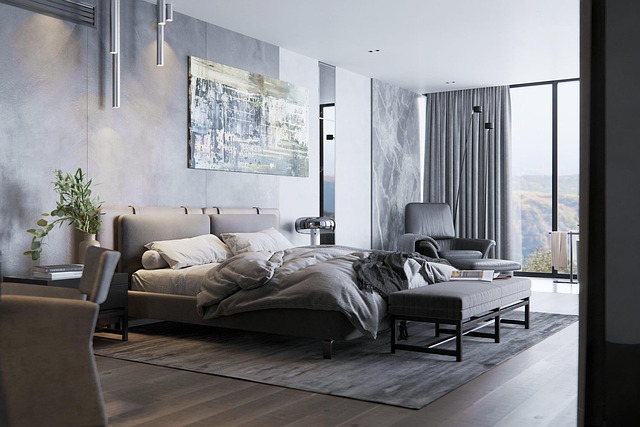
Find Your Dream 1-Bedroom in Albany's Best Neighborhoods
The market for 1 bedroom apartments for rent in Albany offers diverse options across various neighborhoods catering to different lifestyles and budget.......
Read more →
Welcome to an extensive exploration of the vibrant and diverse market for 1-bedroom apartments in Albany, a city known for its rich history, cultural attractions, and dynamic urban atmosphere. This article aims to provide an all-encompassing guide, delving into various facets of this housing sector, from its definition and historical roots to global influences, economic implications, technological innovations, and the challenges it faces. By the end, readers will have a profound understanding of the significance and future trajectory of 1-bedroom rentals in Albany, offering valuable insights for residents, investors, and urban planners alike.
At its essence, a 1-bedroom apartment for rent is a residential unit designed to accommodate a single individual or a couple with limited space. These apartments typically feature one separate bedroom, a living area, a kitchen, and sometimes a bathroom. The core components include:
The concept of 1-bedroom apartments has evolved over time, reflecting changes in urban living and demographic trends. Historically, such units were prevalent in densely populated cities during the industrial revolution, providing affordable housing for workers. In Albany, as in many urban centers, the post-World War II era saw a surge in apartment construction, catering to a growing population seeking convenient and relatively inexpensive housing options.
Today, 1-bedroom apartments play a vital role in the residential landscape of Albany, offering a range of amenities, community interactions, and accessibility to local attractions. They cater to diverse demographics, including young professionals, students, and individuals or couples seeking a more affordable alternative to larger homes.
The concept of 1-bedroom apartments has transcended geographical boundaries, influencing housing markets worldwide. Key global trends shaping this sector include:
| Region | Trends | Impact |
|---|---|---|
| North America | Rise of micro-apartments targeting young urban professionals | Increased density in urban areas, offering affordable living solutions |
| Europe | Growing demand for student housing leading to 1-bedroom units' popularity | Adapting apartments to meet specific demographic needs, ensuring accessibility and affordability |
| Asia Pacific | Rapid urbanization driving the need for compact living spaces | Developers focusing on efficient use of space, incorporating modern amenities to attract tenants |
Different regions worldwide have unique approaches to 1-bedroom apartment design and rental dynamics:
Scandinavia: Known for its minimalist design, these apartments often prioritize natural lighting, open layouts, and energy efficiency. The focus is on creating a sense of space and comfort within compact dimensions.
Asia: Many Asian cities have dense populations, leading to smaller apartment sizes. 1-bedroom units here may include shared facilities like kitchens and laundry rooms to optimize space and reduce costs.
North America and Europe: These regions often feature modern, fully furnished apartments with smart home technology, catering to the needs of young professionals and students who appreciate convenience and connectivity.
The 1-bedroom rental market in Albany is subject to various economic factors:
Supply and Demand: The availability of such apartments directly relates to demographic shifts. In areas with a high concentration of young professionals or students, the demand for 1-bedroom units tends to increase.
Rental Rates: Market conditions heavily influence rental prices, which can vary based on location, amenities, and apartment age. Prime locations near downtown Albany or major educational institutions often command higher rents.
Investment Opportunities: Investors recognize the stability and potential returns of 1-bedroom rentals due to their relatively lower entry costs compared to larger properties. Well-maintained apartments in desirable neighborhoods can offer consistent rental income.
These apartments play a crucial role in local economies:
Affordable Housing: They provide an affordable housing option for individuals and couples, contributing to a diverse and vibrant urban community.
Tourism Impact: Many visitors and temporary workers prefer 1-bedroom rentals during their stay, boosting the local tourism industry.
Business Growth: The presence of these apartments attracts businesses catering to tenants' needs, such as grocery stores, restaurants, and entertainment venues.
Technology has revolutionized the living experience in 1-bedroom apartments:
Smart Thermostats: These devices allow tenants to control temperature settings remotely, enhancing energy efficiency and comfort.
Security Systems: Advanced security cameras, door locks, and alarm systems provide tenants with peace of mind, ensuring their safety and privacy.
Voice Assistants: Virtual assistants like Alexa or Google Home offer convenience by controlling lighting, music, and appliances through voice commands.
High-speed internet access is now a fundamental expectation for renters:
Fiber-Optic Connections: Many modern apartments come equipped with fiber-optic internet, ensuring fast and reliable connectivity for streaming, gaming, and remote work.
Co-working Spaces: Some buildings incorporate dedicated co-working areas, providing tenants with access to shared desks, printers, and high-speed internet.
The future of 1-bedroom apartments in Albany may include:
Internet of Things (IoT): Integration of IoT devices will enable fully connected homes, allowing tenants to control various aspects remotely, from lighting to security systems.
Green Technology: Eco-friendly features such as solar panels, energy-efficient appliances, and smart water heaters will become more prevalent, reducing environmental impact.
Virtual Reality (VR) Tours: Renters may soon be able to virtually tour apartments, enhancing accessibility for remote tenants and providing a unique viewing experience.
The rental market in Albany is subject to various policies and regulations:
Local Zoning Laws: These laws dictate the type and density of housing allowed in different areas, influencing the development of 1-bedroom apartments.
Rental Agreements: Landlords and tenants are bound by legal contracts outlining terms, conditions, and responsibilities, ensuring fair renting practices.
Housing Authorities: Government bodies like the Albany Housing Authority oversee affordable housing programs, providing subsidies for low-income renters, including those in 1-bedroom units.
Key policy implications include:
Licensing and Permits: Developers must obtain permits for new construction or renovations, ensuring buildings meet safety and quality standards.
Rent Control: Some cities implement rent control measures to prevent excessive rental price increases, protecting tenants' interests.
Subletting Regulations: Rules regarding subletting help maintain stability within apartment communities, allowing tenants flexibility while preventing unauthorized practices.
The 1-bedroom rental market in Albany faces several challenges:
Affordability Crisis: Rapidly rising rents have made it difficult for low- and middle-income earners to find affordable housing. To address this, city officials can implement rent stabilization measures and increase the supply of subsidized apartments.
Maintenance and Repair: Timely maintenance is essential for apartment buildings' long-term viability. Landlords should be encouraged to establish prompt repair protocols and ensure regular building inspections.
Noise and Community Disturbances: Managing noise levels, especially in dense urban settings, is crucial. Tenants can be educated on responsible living practices, and landlords may implement soundproofing measures.
Proposed solutions include:
Collaborative Housing Initiatives: Partnering with non-profit organizations and private developers to create mixed-income housing communities, ensuring a diverse tenant mix.
Incentives for Landlords: Providing tax incentives or subsidies to landlords who offer affordable rental rates and maintain high-quality apartments.
Community Engagement: Encouraging open dialogue between tenants, landlords, and local authorities to address concerns and develop sustainable solutions.
In the heart of Albany's historic district, the Old Town Lofts project transformed an old industrial building into modern 1-bedroom apartments. This case highlights:
Urban Revitalization: The renovation preserved the building's original architecture while adding contemporary amenities, attracting young professionals seeking a unique urban lifestyle.
Community Engagement: Involving local residents in the planning process ensured the project met community needs, fostering a sense of ownership and pride.
Sustainability: Implementing green features like solar panels and energy-efficient systems reduced the building's environmental footprint, setting a benchmark for eco-friendly development.
A partnership between a university and a real estate developer led to the creation of a vibrant apartment complex catering specifically to students. Key takeaways include:
Targeted Design: Each unit was designed with student needs in mind, featuring study nooks, efficient storage, and modern amenities to enhance the overall living experience.
Community Amenities: Shared spaces like study lounges, outdoor social areas, and on-site dining options fostered a sense of community among residents.
Flexibility and Accessibility: Short-term leasing options and proximity to campus made it ideal for students, providing a convenient and affordable housing solution.
Sustainable Development: The focus on eco-friendly apartments will continue to grow, driven by increasing environmental awareness and government incentives.
Smart Buildings: Integration of advanced technology will define the future, with buildings becoming more responsive, efficient, and user-centric.
Co-living Spaces: Shared living arrangements are gaining popularity, especially among younger generations. Co-living apartments offer community, flexibility, and cost savings.
Location, Location, Location: Prime locations near transportation hubs, educational institutions, or vibrant neighborhoods will remain in high demand, justifying higher rental rates.
Diverse Tenant Mix: Aiming for a balanced tenant profile, including students, young professionals, and families, ensures long-term stability and market reach.
Community Engagement and Collaboration: Building strong relationships with local communities and stakeholders can lead to successful projects that cater to diverse needs.
The 1-bedroom apartment rental sector in Albany is a dynamic and essential component of the city's residential landscape, offering solutions for various demographics. This article has explored its historical roots, global influences, economic implications, technological advancements, policy frameworks, challenges, and successful case studies. As Albany continues to evolve, the future prospects for 1-bedroom rentals remain promising, with opportunities for sustainable growth, innovative design, and enhanced living experiences.
Q: What are the average rental rates for 1-bedroom apartments in Albany? A: Rental rates vary, but as of recent data, the median monthly rent for a 1-bedroom apartment in Albany is approximately $1200, with prices ranging from $900 to $1500 depending on location, amenities, and building age.
Q: How do I find affordable 1-bedroom rentals? A: Explore housing assistance programs offered by local governments or non-profit organizations. Contact community development centers for information on subsidized apartments and rent support initiatives.
Q: Can I sublet my 1-bedroom apartment if I move temporarily? A: Subletting is generally allowed but subject to landlord approval and specific terms outlined in your rental agreement. Ensure you understand the rules and any restrictions before subletting.
Q: What technological advancements can I expect in future 1-bedroom apartments? A: Expect advanced smart home technology, improved internet connectivity (including fiber-optics), IoT integration for remote control, green technology for sustainability, and potentially VR tour options.
Q: How do zoning laws impact the development of 1-bedroom apartments? A: Zoning regulations dictate building height, density, and use, influencing apartment development. Compliance with these laws is essential for any new construction or renovation projects.